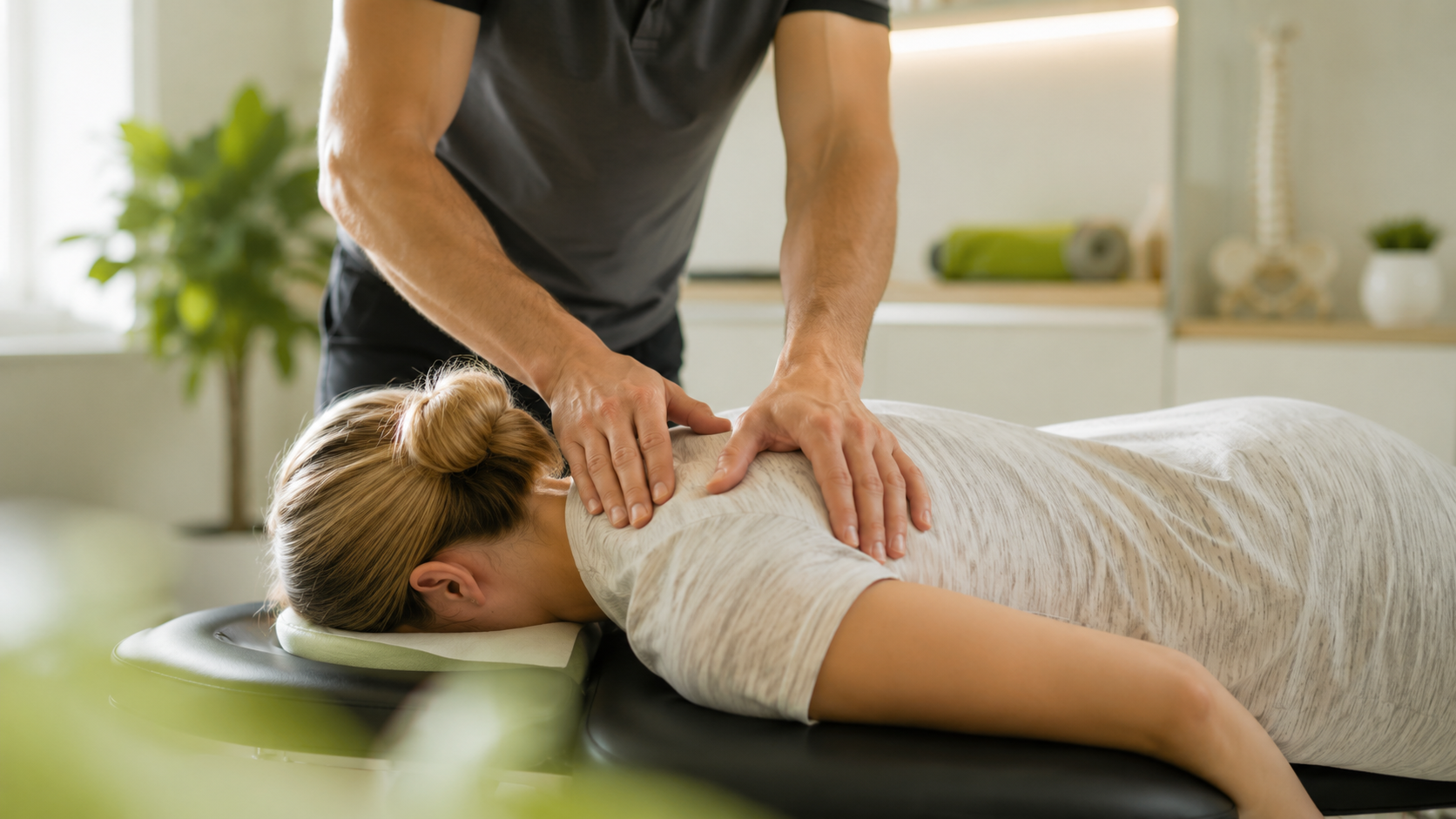
Conservative care handles most pain, but not all. Genuine red flags — progressive weakness, numbness, loss of bladder or bowel control, or severe pain unrelieved by other means — can point to a problem that needs surgery, and a good hospital will tell you so honestly rather than endlessly repeating injections. The mark of a trustworthy pain hospital is a clear, staged plan: conservative first, minimally invasive next, and open surgery only when the evidence demands it.
Planning a Pain-Treatment Trip
Because pain care is often a course rather than a single procedure, plan for a stay that allows for diagnosis, treatment and at least initial follow-up. Bring any prior imaging (MRI/X-ray) and records — they speed up diagnosis and avoid repeat scans. If you're combining it with a broader trip, our first-timer's guide to medical tourism in Seoul helps with the logistics of clinics, language support and getting around.
Choosing the Right Hospital
For pain, look for a dedicated spine/joint or Korean-medicine hospital with high volume, proper imaging and diagnostics, and a conservative, staged philosophy rather than a rush to surgery. Ask what non-surgical options they offer, how they decide when surgery is warranted, and whether rehabilitation is part of the plan. English-language support and clear follow-up matter for international patients. The same principle we stress across procedures applies here too: choose the specialist and the plan before the price.
Frequently Asked Questions
Can back or disc pain really be treated without surgery?
Very often, yes. The majority of herniated discs and chronic back/neck pain respond to image-guided injections, minimally invasive procedures, manual therapy and rehabilitation. Surgery is reserved for a minority of cases with clear indications like progressive weakness.
What is Chuna therapy?
Chuna is a Korean-medicine manual therapy that realigns the spine and joints through hands-on techniques. It's frequently combined with acupuncture and herbal medicine as a non-surgical approach to back, neck and joint pain.
How long do I need to stay in Korea?
Because pain treatment is usually a course rather than one visit, plan enough time for diagnosis, treatment and initial follow-up. Some minimally invasive procedures recover quickly; a Korean-medicine course may span several sessions.
Should I bring my MRI or medical records?
Yes. Prior imaging and records speed up diagnosis, help the doctor tailor treatment, and can save you repeat scans and time on arrival.
How do I know if I actually need surgery?
Red flags such as progressive muscle weakness, worsening numbness, or loss of bladder/bowel control warrant urgent evaluation and may require surgery. A trustworthy hospital works in stages — conservative and minimally invasive first — and recommends surgery only when the evidence clearly calls for it.